Our Services
Time is taken to understand what's happening in your body, how things have developed, and what feels most relevant for you. Rather than focusing solely on symptoms, Chinese medicine looks at the patterns beneath them and the relationships between the body's different systems.
Treatment is individualised, and may draw on a range of traditional Chinese medicine therapies depending on what is needed.
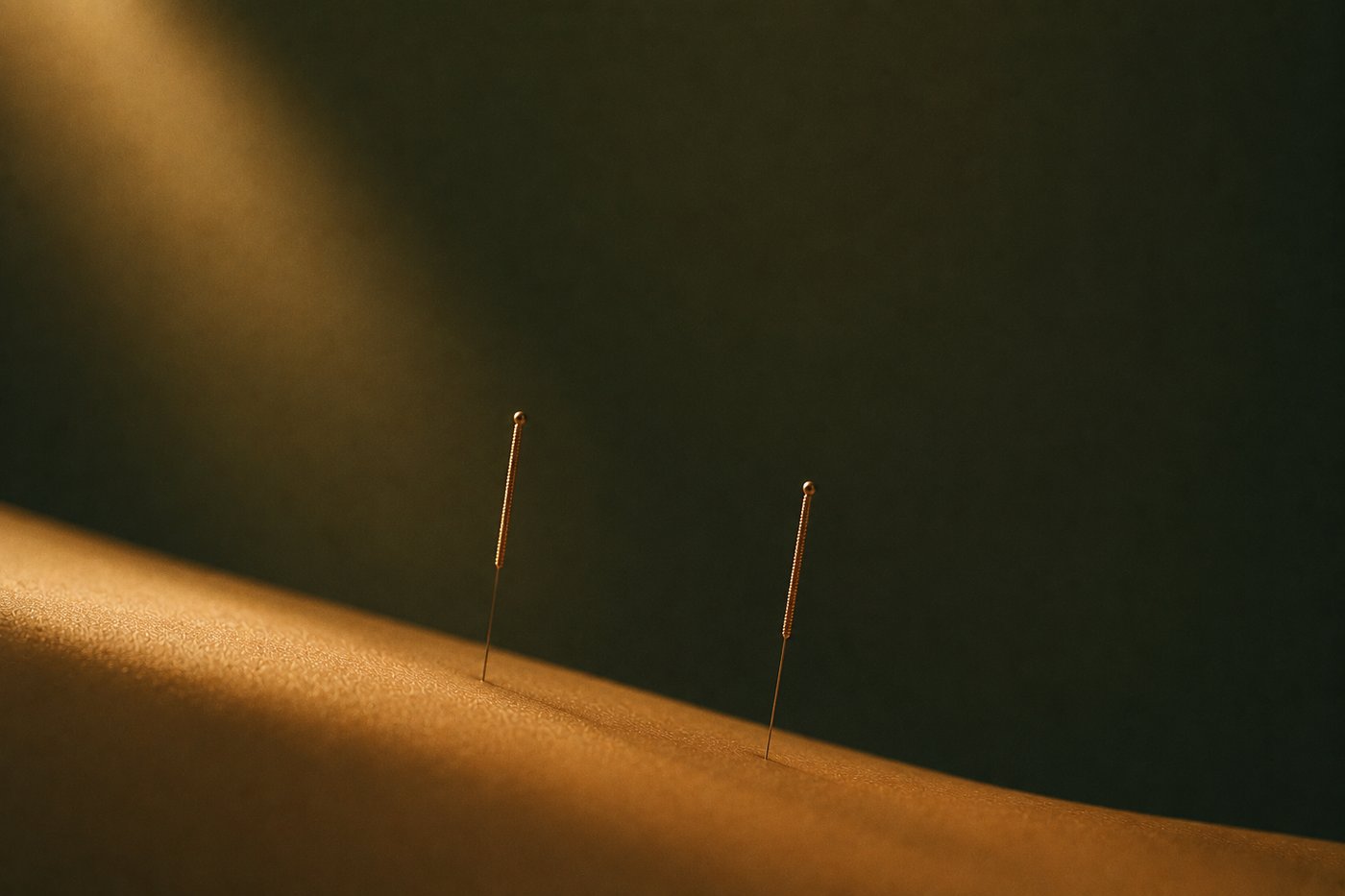
Acupuncture
Acupuncture uses fine, single-use needles placed at specific points on the body to support balance, circulation, and communication between different systems of the body. Treatment is tailored to the individual and may be used to support pain, digestion, hormonal health, stress, sleep, and overall wellbeing. Many people find acupuncture deeply relaxing, often leaving treatment feeling calmer, more grounded, and more connected to their body.
Tui Na
Tui Na is a hands-on form of Chinese medicine that works directly through touch, movement, and the body's tissues. Using a variety of techniques, it aims to improve circulation, restore mobility, and support the smooth flow of Qi through the channels and meridians. Tui Na is guided by the same diagnostic principles as acupuncture and is tailored to the individual. It can be used on its own or alongside acupuncture to address pain, tension, stress, digestive concerns, and a wide range of other conditions. For some people, Tui Na offers an alternative to needles. For others, it provides a valuable hands-on component to treatment, allowing for a more direct and tactile way of working with the body.
Moxibustion
Moxibustion is a traditional heat therapy that uses dried mugwort to gently warm specific points or areas of the body. Used for thousands of years throughout East Asia, moxibustion is often incorporated into treatment to support circulation, nourish deficiency, encourage movement, and strengthen the body's natural healing response. The warmth is gentle, comforting, and often deeply relaxing.
Cupping
Cupping is a traditional Chinese medicine therapy that uses gentle suction to lift the skin and underlying tissues. This creates space within the fascia and muscles, helping to improve circulation, release tension, and encourage movement where things have become tight, restricted, or stagnant. The marks sometimes left by cupping are not bruises, but a response to increased circulation and the movement of stagnant blood and fluids within the tissues. Many people experience a sense of relief, lightness, and ease afterwards, particularly in areas that have felt tight or held for some time.
Gua Sha
Gua Sha is a technique that uses a smooth-edged tool to gently work through the skin, fascia, and underlying tissues. By creating movement and improving circulation, it helps release areas of tension, restriction, and stagnation within the body. Gua Sha is commonly used for muscular tightness, neck and shoulder tension, headaches, pain conditions, and recovery from illness. It can be particularly helpful where tissues feel dense, bound, or lacking mobility. Many people notice a sense of warmth, ease, and greater freedom of movement following treatment.
Dietary Therapy
In Chinese medicine, food is considered one of the foundations of health. Dietary therapy offers practical guidance on how to eat in a way that supports your individual constitution, current health concerns, and the season. The aim is to understand how different foods affect the body and to make simple, sustainable changes where appropriate. Dietary recommendations may form part of a treatment plan to support digestion, energy, hormonal health, immunity, and overall wellbeing, helping to extend the benefits of treatment beyond the clinic room.